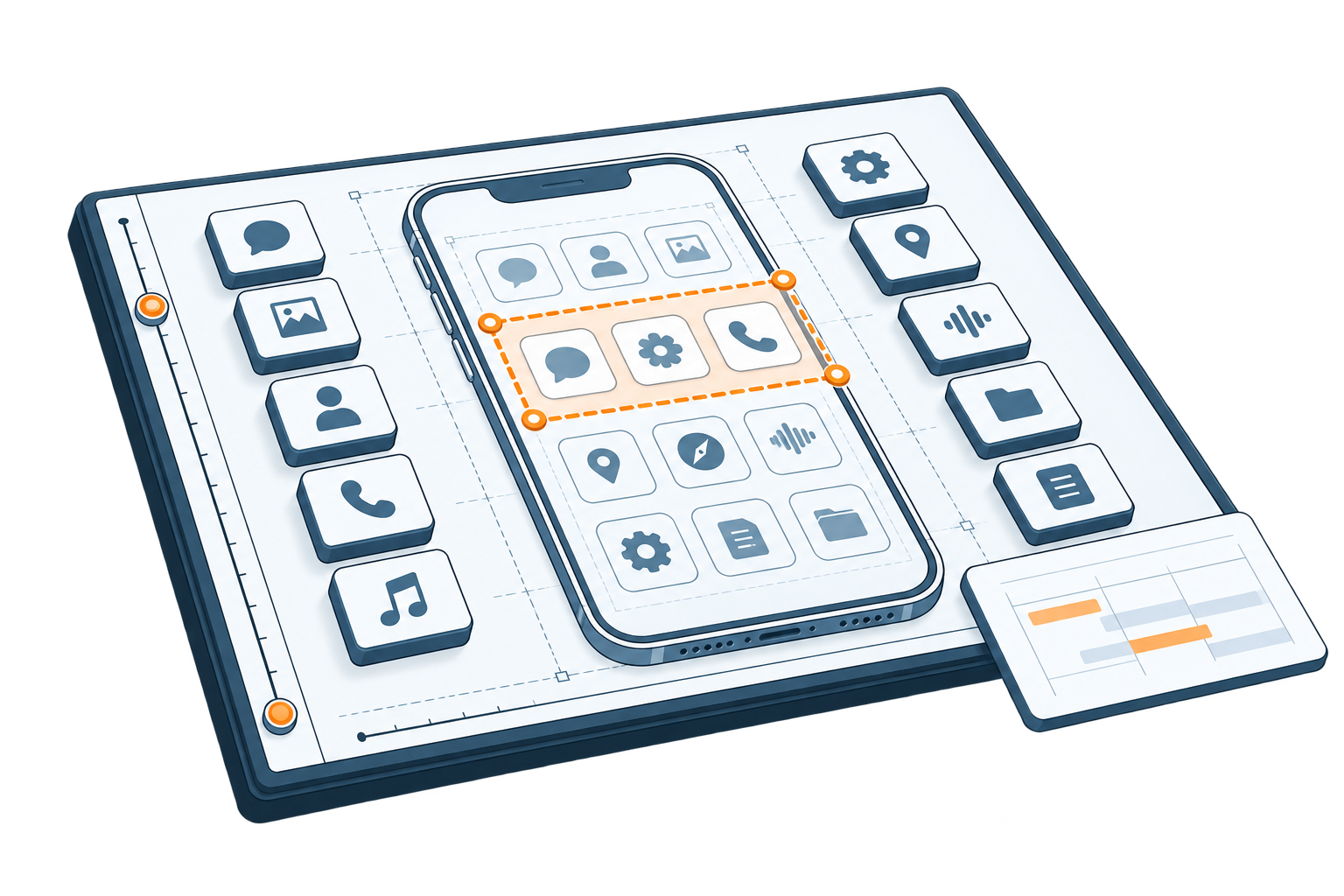
Phone and tablet extraction
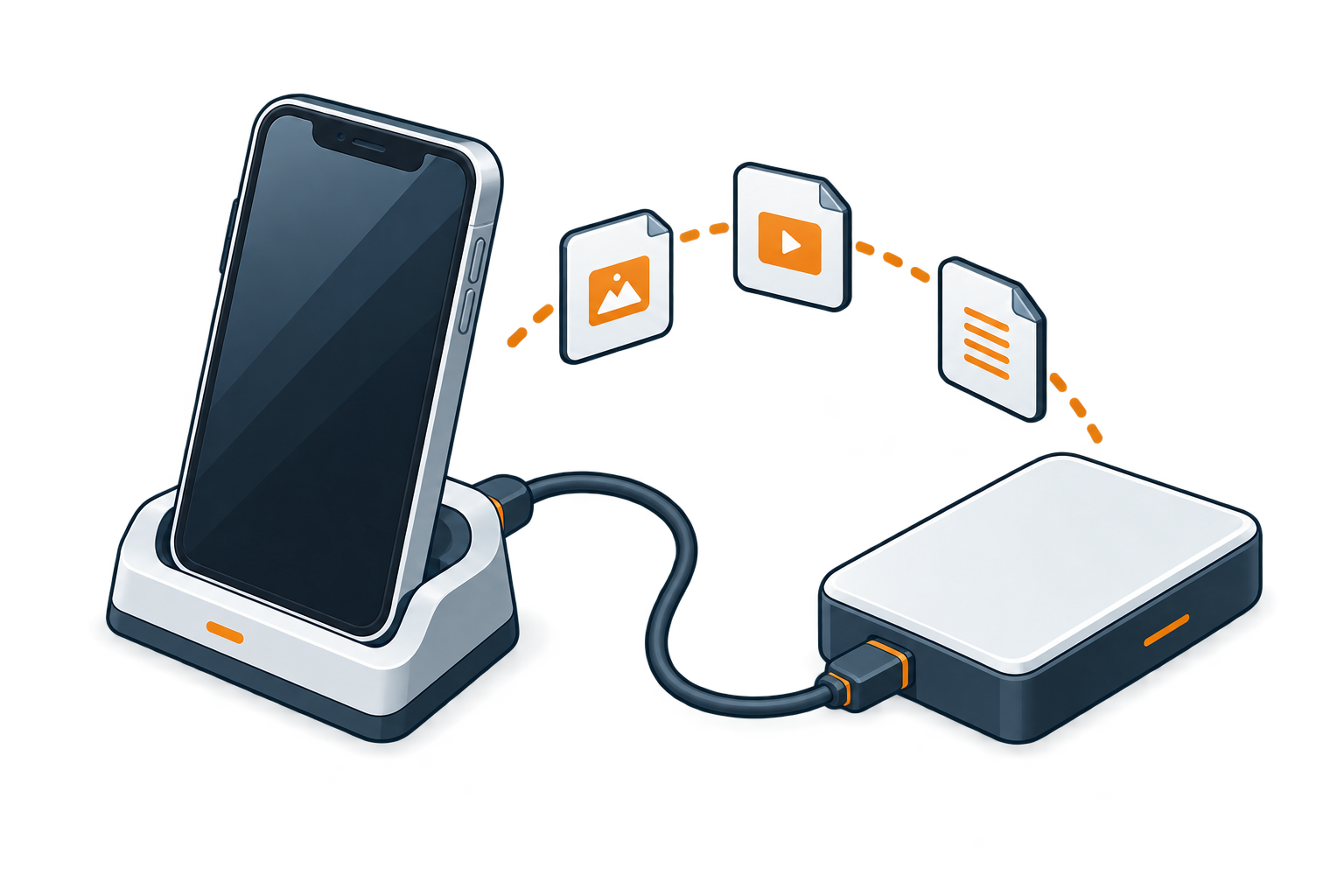
We assess available collection methods for the device, operating system, access conditions and authorized scope. The objective is a documented extraction that preserves available evidence and identifies gaps. An extraction is not automatically a complete copy of everything ever stored on the phone.
Text messages and chat app data
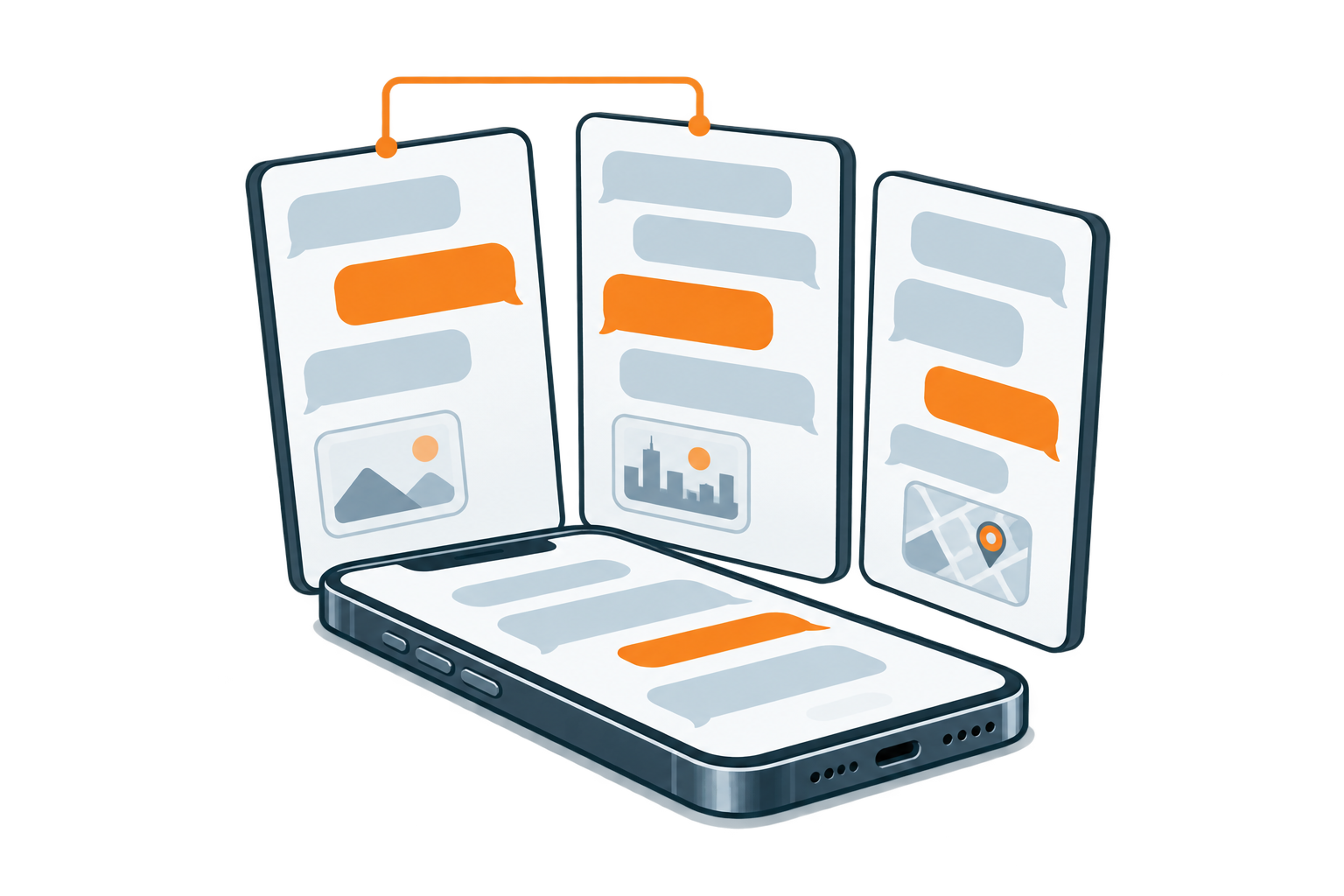
Examination may include text and multimedia messages, iMessage and available messaging app records, attachments and conversation context. Support for Rich Communication Services (RCS), WhatsApp, Signal, Telegram or workplace apps depends on the device, app version, settings and collection method. Naming an app does not promise access to its contents.
Deleted message and media assessment
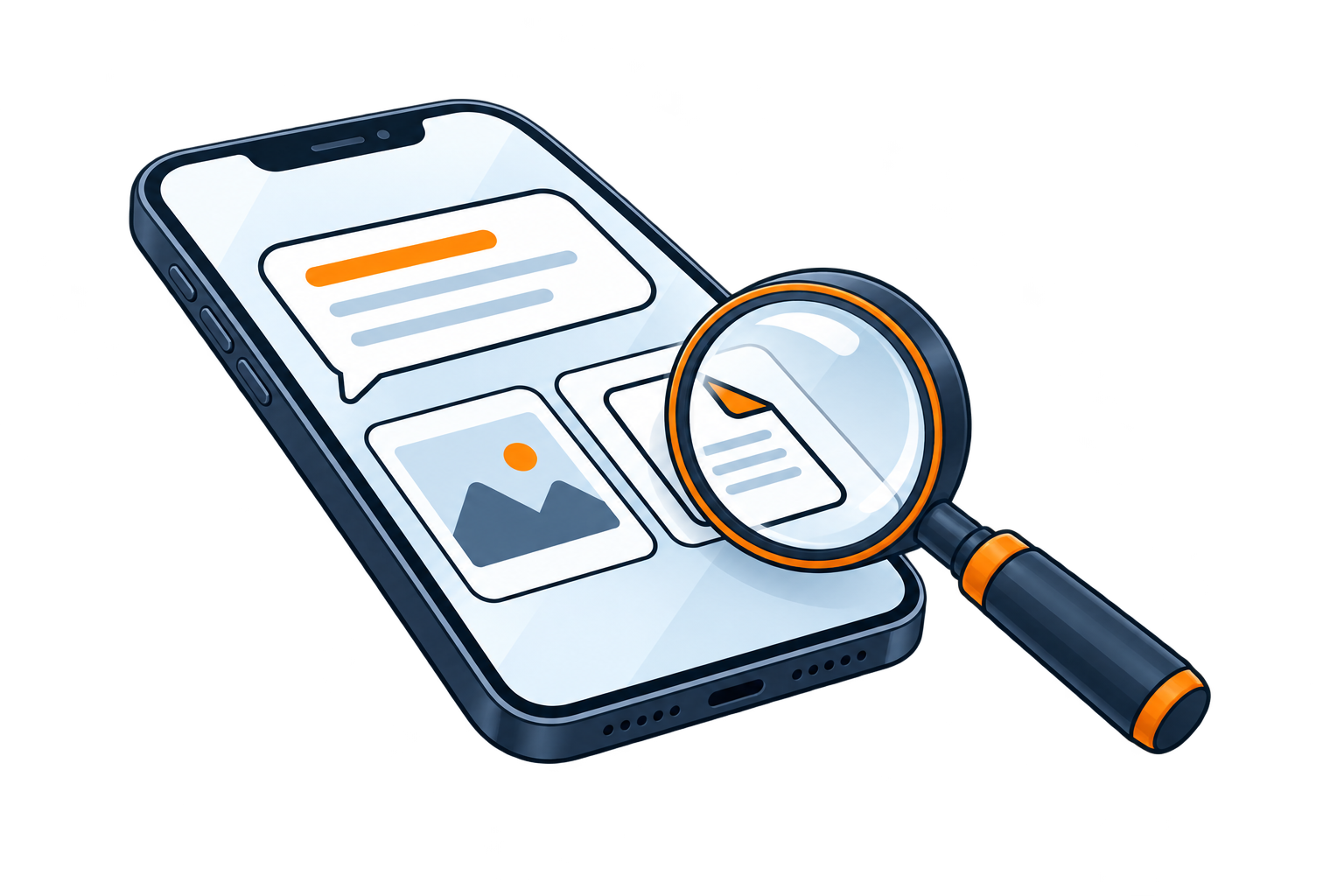
We assess whether deleted messages, photos or other records remain in accessible databases, retained files or local backups. Encryption, app behavior, overwrite and elapsed time can limit recovery. A deleted item may be unavailable, and a recovered fragment may lack its original context.
Location and timeline analysis
Available location, photo, call and app records can help reconstruct a sequence of activity. We examine timestamps, source precision and corroborating records before interpreting them. Location data as mobile device evidence requires context; it does not establish who carried a device.
App, browser and account traces
Local app databases, browsing records, device settings and cached account data may help explain activity on the device. We distinguish a record associated with a device or account from evidence identifying a person. Available records vary across platforms and may require comparison with other authorized sources.
Remote mobile collection assessment
Some phones and collection scopes support supervised remote collection. We assess device access, connectivity, custodian participation and the information needed before recommending that route. Remote collection and extraction in person can have different coverage; neither is selected solely for convenience.
 (866) 458-4993