Forensic Discovery
Home > Digital Forensics Expert Witness and Testimony Services

Digital evidence, explained with care

A digital forensics expert witness examines the technical record, explains the basis for an opinion, and helps a judge, jury, or arbitrator understand the findings. Forensic Discovery supports law firms and businesses with analysis, expert reports, declarations, and testimony tied to the available evidence.

Our role is to explain what the evidence supports, including results that do not support the retaining party’s position. Clear technical language makes the methods, assumptions, and limits easier to evaluate.

Expert testimony is part of our broader digital forensics services. An engagement can begin with a new examination or a review of work already performed. Counsel and the examiner establish the questions, access authority, evidence set, and schedule before the work proceeds.

Schedule a Free Consultation

Digital forensics expert witness services

Expert reports and disclosure support

We document the examination, source materials, opinions, and supporting reasons in language counsel and other reviewers can follow. The examiner identifies material limitations and alternative explanations. Counsel confirms the required disclosures and whether a report under Rule 26 or another governing rule is needed.

Declarations and affidavits

A focused declaration or affidavit can explain collection steps, technical observations, or a defined opinion. The examiner reviews the statements and supporting records. Counsel determines the appropriate form, required language, and use in the proceeding.

Deposition testimony

The expert explains the examination and answers questions about the data, methods, and conclusions under oath. Preparation includes checking source references, exhibits, assumptions, and limitations. It does not change the findings to suit a preferred account.

Trial, hearing, and arbitration testimony

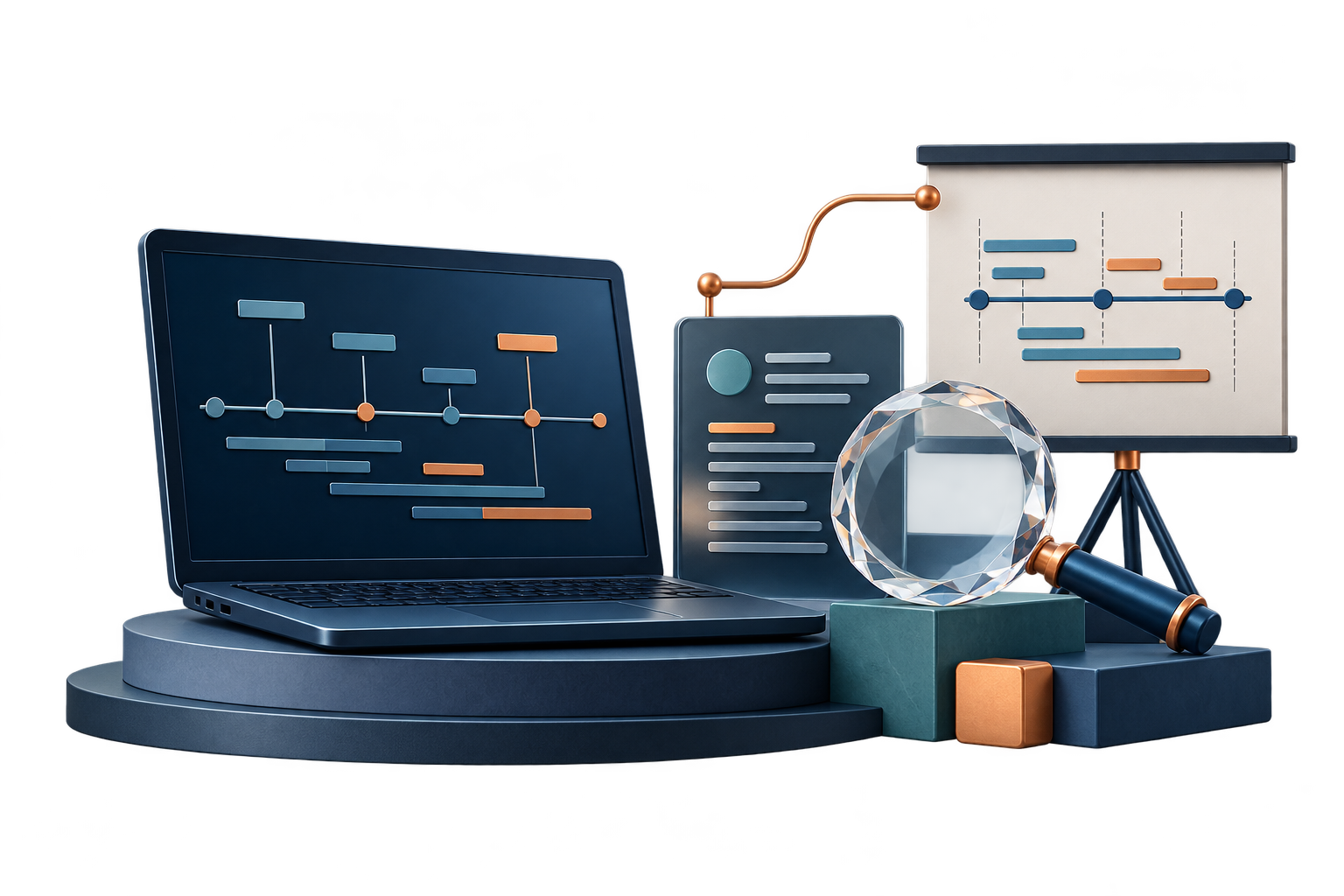
We explain technical findings through testimony and appropriate demonstrative exhibits. Timelines and annotated records can help a finder of fact follow the analysis. The scope, witness availability, venue requirements, and presentation arrangements are confirmed for each engagement.

Review and rebuttal of opposing expert work

We examine the report, underlying data when available, and methods used to reach the opinions. A rebuttal can identify supported agreement, missing context, or analytical gaps. Disagreement alone is not evidence that another examiner’s work is unreliable.

Technical consulting before trial

We help counsel understand technical issues, evaluate questions for an opposing expert, and identify data needed to test an assertion. Counsel directs litigation strategy. The examiner provides independent technical analysis within the agreed scope.

Discuss the expert work your matter needs

Define the expert’s role before work begins

RoleTypical engagementDeliverable and disclosure considerations
Testifying expertRetained by a party through counselOpinions, report or disclosure support, and testimony. Counsel determines disclosure obligations and schedule.
Consulting expertRetained to advise counsel on technical questionsTechnical advice and analysis without a planned testimony role. Counsel assesses protection and disclosure; the label alone does not establish either.
Neutral examinerEngaged by agreement or appointed under a court orderExamination and reporting under the agreed protocol or order. Access, communications, recipients, and permitted use follow its terms.

Confirming or changing the role

Ask about the proposed role during scoping. Acceptance depends on conflicts, examiner expertise, availability, and the governing protocol. A change in role may require a revised scope and counsel’s assessment of disclosure consequences.

When counsel needs a technical record that can be examined

Departing employee disputes involving protected information

File activity, USB records, email, and cloud logs may help explain a sequence of events. A device event does not by itself establish who acted, what was transferred, or intent. Our business data theft investigations and intellectual property theft investigation pages explain the underlying examinations. Counsel determines the legal status of the information and the claims.

Employment and business disputes

Messages, documents, and account records can inform a disputed chronology or the history of a business record. We identify what was examined and distinguish observations from allegations. For workplace evidence collection and analysis, see employee misconduct investigation support. HR and counsel make employment and legal decisions.

Wire fraud and disputed communications

Email headers, mailbox records, and available sign-in logs may help reconstruct communications around a changed payment instruction. We distinguish evidence of spoofing from evidence of account compromise and identify gaps. Wire fraud investigation and analysis supports the technical record; it does not guarantee identification of a person or recovery of funds.

eDiscovery and preservation disputes

An expert may examine available records concerning missing data, deleted material, metadata, or the steps used to collect and produce electronically stored information (ESI). Findings depend on the sources and comparison criteria. Our eDiscovery services support the underlying workflow. Counsel and the court address spoliation, sanctions, and other legal questions.

Further testimony questions

Questions about document authenticity or suspected media manipulation also call for an assessment of the particular source. A file alone may not resolve authorship or alteration. Discuss the available originals, comparison material, and appropriate examiner expertise before defining the opinion.

Connect the testimony question to its source

Related examining services and the testimony questions they support
Evidence sourceExamining serviceExample technical question
Computers and serversComputer forensicsWhat do available file and system artifacts show about activity and timing?
Phones and tabletsMobile device forensicsWhich messages and associated records were available in this extraction?
Cloud and collaboration accountsCloud-based forensicsWhat do retained logs and versions show, within the available permissions and period?
EmailForensically sound email collectionHow do headers, metadata, and mailbox context relate to a disputed communication?
Documents and PDFsComputer and document examinationWhich metadata and version records support or limit an account of a file’s history?

Who can explain the examination

The collecting or analyzing examiner may also testify about that work, subject to expertise and availability. When several people handled the evidence, custody records and examination notes help explain their separate contributions. Retention gaps, clock differences, encryption, and collection limits remain part of the testimony.

How an expert witness engagement works

  1. Scope and conflict check. Counsel describes the matter, proposed role, relevant dates, and evidence. We assess conflicts, expertise, availability, and access requirements. Collection across multiple sources may involve data preservation and collection.
  2. Review the evidence set. We inventory supplied records, collection documentation, prior reports, and known gaps. Further access or collection needs are discussed before expanding the examination.
  3. Test the technical questions. The examiner correlates relevant artifacts, evaluates competing explanations, and separates supported opinions from questions the available evidence cannot answer.
  4. Prepare the written work. The examiner develops the report, declaration, or affidavit with source references, methods, opinions, and limitations. Counsel manages disclosure requirements and deadlines.
  5. Prepare for deposition. We review the source support and exhibits and explain the findings under questioning. Material new information may require further examination or revised opinions.
  6. Address testimony and rebuttal. The engagement may include trial or hearing testimony and review of opposing opinions, within the agreed role and schedule. Counsel handles filings and procedural decisions.

Reports and methodology that others can evaluate

Report contents and disclosure requirements

An expert report prepared for court serves a different purpose from an internal findings summary. Where Federal Rule of Civil Procedure 26(a)(2)(B) applies, the signed report addresses opinions and reasons, facts or data considered, supporting exhibits, qualifications and publications, prior testimony, and compensation. Counsel confirms the governing rule, required periods, orders, and any exceptions.

How counsel and the court assess the proposed opinion

For admissibility questions, Federal Rule of Evidence 702 and the Daubert framework address the proposed expert’s qualifications and the reliability and application of the analysis. Applicable state standards can differ, including standards based on Frye. Counsel identifies the governing requirements. The court decides admissibility; the finder of fact evaluates admitted evidence.

Source support and technical limits

We make the technical basis reviewable through source references, documented methods, appropriate checks, and stated limits. Chain of custody describes evidence handling. Hash comparisons can support integrity of the specified data objects; they do not establish collection completeness or the truth of a file’s contents. No certification, report format, or method guarantees qualification, admissibility, or an outcome.

Discuss the evidence and disclosure schedule

Clear explanations begin with accountable analysis

Forensic Discovery connects examination work with the questions counsel needs the technical record to address. We explain how an observation was obtained, why it matters, and where another explanation remains possible. Exhibits should clarify the analysis without overstating what the evidence shows.

Who we work with

We work with trial counsel, litigation teams, internal legal teams, and business teams coordinating with counsel. Insurers, corporate risk teams, HR, and compliance teams may need technical analysis when a dispute moves toward litigation.

Forensic Discovery works with law firms and businesses only and does not accept direct individual consumer matters. If a law firm represents the individual, the firm may contact Forensic Discovery about the matter. See our locations and service coverage and confirm examiner availability for the engagement.

Scope the work in phases

Ask for the proposed scope, deliverables, assumptions and pricing in writing before authorizing work. Expert work can be divided into evidence review and analysis, written opinions, deposition, and trial or hearing support.

Cost depends on evidence volume and condition, prior work to be checked, report and exhibit needs, testimony time, travel, and rebuttal scope. Share the disclosure schedule and known gaps during the first conversation. Availability and a workable scope must be confirmed before relying on a proposed schedule.

Planning the role and schedule

Early scoping gives counsel time to assess evidence availability and expert scheduling. Our article on when to ask for a forensic witness describes that planning conversation.

Confirm examiner fit and availability

During scoping, ask for the proposed examiner’s current qualifications, relevant experience, availability, and disclosure materials. The right fit depends on the particular evidence and opinion sought. Our guide to what to look for in an expert witness offers questions for that discussion.

Questions about digital forensics expert witness services

What does a digital forensics expert witness do?

The expert examines available digital evidence, develops supported opinions, and explains the methods and limits in writing and testimony. Counsel uses that technical work within the proceeding’s rules. The expert’s role is to provide independent analysis, even when a result does not support the retaining party. Read more about how digital forensics expert witnesses shape litigation.

When should counsel engage an expert?

Discuss the role while counsel is planning the evidence work and disclosure schedule. Early assessment can identify missing source material, conflicts, or expertise needs before a report is due. If collection or analysis already occurred, provide those records for review. Counsel determines legal preservation duties and deadlines; examiner availability and the proposed work still need confirmation.

How do testifying, consulting, and neutral roles differ?

A testifying expert develops opinions for possible disclosure and testimony. A consulting expert advises on technical questions without a planned testimony role. A neutral examiner follows an agreed protocol or court order. Forensic Discovery can discuss these engagement types during scoping. Counsel determines disclosure and protection issues; a consulting label or engagement directed by counsel does not itself guarantee privilege.

What goes into a forensic expert report?

The report explains the assignment, materials examined, methods, opinions, supporting reasons, and limitations. Required disclosures depend on the governing rule and orders. A report may also need qualifications, publications, prior testimony, compensation, and exhibits. The examiner is responsible for the technical opinions and any signature. Counsel confirms the disclosure requirements and filing or service process.

Can you guarantee testimony will be admitted?

No. The court decides admissibility under the applicable rules. For Rule 702 and Daubert issues, the examiner should be able to explain qualifications, data relied on, methods, and their application to the facts. Documented handling and appropriate validation help others assess the work. They do not guarantee admission, weight, or a favorable result.

Can you review an opposing expert’s report?

Yes, subject to conflicts, expertise, scope, and availability. We review the stated opinions and methods against the underlying evidence that can be made available. A report without its supporting data may permit only a limited review. Rebuttal should explain agreement and disagreement with source support. Counsel can use the technical assessment when preparing questions or deciding next steps.

Is testimony available remotely or in person?

Discuss both options when arranging the engagement. Availability, travel, venue requirements, court permission, and the testimony schedule determine what can be offered. Remote testimony also requires appropriate access to exhibits and a workable presentation setup. Confirm those arrangements with counsel and the examiner rather than assuming a remote appearance or a particular witness is available.

How much does expert witness work cost?

Evidence review, analysis, report preparation, exhibits, deposition, trial time, travel, and rebuttal can have different scoping needs. A short declaration based on completed analysis differs from a new examination across multiple sources. Ask for the proposed scope, deliverables, assumptions and pricing in writing before authorizing work. Discuss further work if the evidence, questions, or schedule changes.

Can the examiner who collected the evidence testify?

The collecting examiner may explain the handling steps they performed and may offer technical opinions within their expertise and agreed role. Another examiner may perform later analysis. The records should make each person’s work clear. Counsel assesses the witness and disclosure requirements. The availability of the original examiner does not replace the need for supporting documentation.

Can an expert address eDiscovery completeness or spoliation disputes?

An examiner may compare an available production with defined source records, document collection methods, and explain evidence of deletion or preservation gaps. The opinion must state the sources, comparison criteria, and limits. Missing material alone does not establish why it is missing or certify that no other copies exist. Counsel and the court address the legal conclusions.

Schedule a Free Consultation

Tell us the expert witness role, technical questions, available evidence, and disclosure or testimony schedule. We can discuss fit and the work needed to assess the record.

Call (866) 458-4993 or contact Forensic Discovery. Use the form for a general inquiry; discuss an appropriate transfer method before sharing sensitive evidence.

"*" indicates required fields