Forensic Discovery
Home > Digital Forensics Services

Digital evidence. Defined questions.

Find the right forensic service for your matter.

Digital forensics services help law firms and businesses preserve and examine electronic records when the facts are disputed. Forensic Discovery works with evidence from computers, mobile devices, cloud accounts and email to investigate specific questions, explain what the records support and identify what remains uncertain.

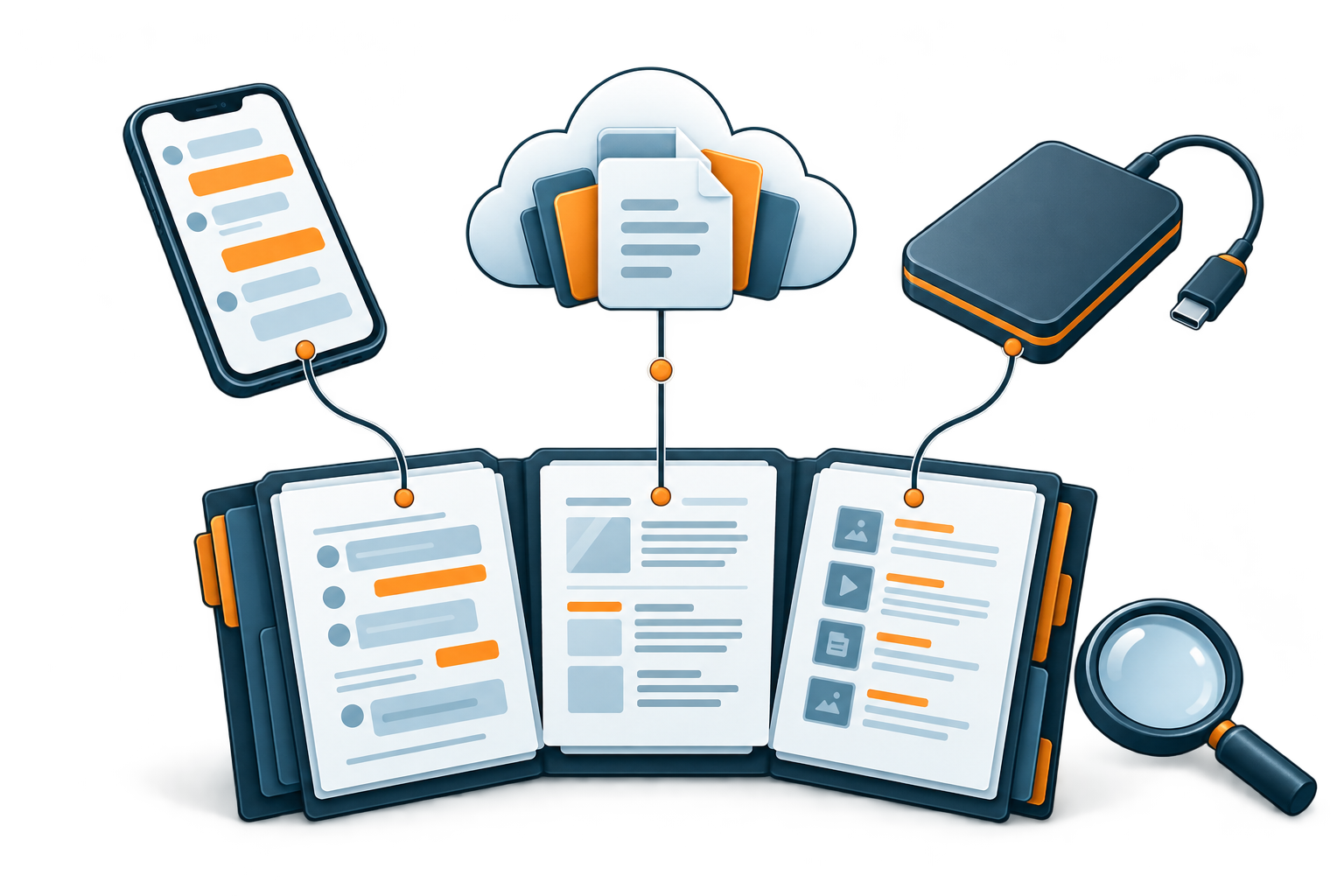
Start with the question you need answered. We can help identify relevant sources and define an examination, whether your concern involves departing employees, a workplace complaint, disputed documents or changed payment instructions. Many matters combine several sources rather than one device.

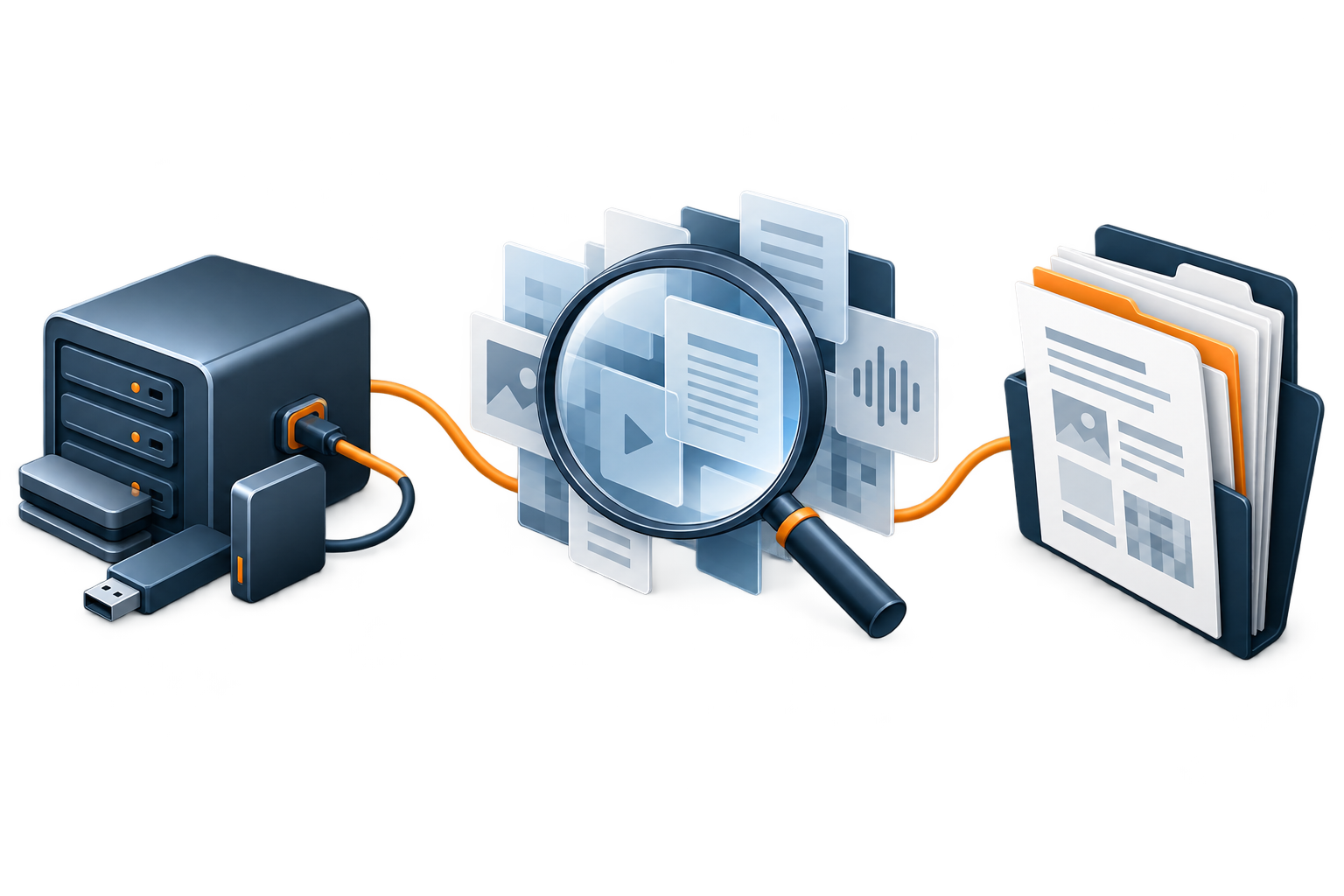
Forensic examination and eDiscovery services for litigation support have related roles. Examination evaluates technical evidence; eDiscovery organizes, reviews and produces electronically stored information (ESI). Preservation and collection can support both workflows.

Choose a service

Digital forensics services we provide

Choose the source or investigation closest to your need. Each service page explains the available work and its limits; the initial conversation can help connect services where the evidence overlaps.

Computer Forensics

Examine laptops, desktops, servers and storage drives for file activity, device use and timelines. Collection, forensic imaging and deleted data recovery may support a legal or business investigation. Available evidence depends on the source, its condition and the agreed examination scope.

Mobile Phone Forensics

Examine available messages, app records, call logs and other relevant information from smartphones and tablets. The device model, operating system, lock state and collection method affect what can be obtained. A collection does not necessarily include every app or deleted record.

Cloud-Based Forensics

Collect and examine available records from Microsoft 365, Google Workspace, file sharing and collaboration accounts. Account permissions, licensing, retention and logging settings shape the evidence. Cloud activity can help build a timeline, but identifying an account does not by itself identify its user.

Expert Witness and Testimony

Translate technical findings into reports, declarations and testimony for legal proceedings. The engagement defines the questions, materials and opinions to address. Clear explanations should distinguish observed records from interpretations and limitations; the court decides admissibility in the context of the matter.

Forensically Sound Email Collection

Preserve available mailbox data, attachments and associated metadata for an investigation or litigation. Define the accounts, dates and collection exceptions before work begins. A linked document may live outside the mailbox and require its own access, preservation and version scope.

Wire Fraud Investigations

Examine available correspondence and account records around changed payment instructions or suspected business email compromise. Compare message details and activity to assess possible explanations. Forensic findings can support counsel and the bank; this service does not recover funds or guarantee identification of a perpetrator.

Intellectual Property Theft Investigations

Examine digital records relevant to suspected misuse of confidential information or trade secrets. Counsel identifies the information and legal issues; the examination evaluates available technical activity. Access traces, matching filenames and document metadata require context before drawing conclusions about copying, disclosure or who acted.

Business Data Theft Investigations

Investigate available device and account records when business information may have left an organization, including around an employee departure. Scope the relevant systems, dates and questions. A connected storage device or accessed file is an investigative lead, not automatic proof of transfer.

Employee Misconduct Investigations

Support counsel, HR and business teams with a scoped examination of relevant digital records. Identify authorized devices and accounts, relevant dates and privacy boundaries before collection. The forensic work supplies technical findings; counsel and HR handle witness interviews and employment decisions.

When to bring in an examiner

When a business question becomes an evidence question

Our overview of three reasons you may need digital forensics offers additional context. An early scoping conversation is useful when relevant records may change or retention periods may expire.

A workplace complaint needs a factual timeline

A digital workplace investigation may bring together communications, device activity and account records. Relevant phone evidence can add context. Counsel and HR help confirm the authority to access relevant sources and define the employment questions; technical evidence does not replace interviews or decide whether a policy was violated.

Payment instructions change unexpectedly

Consider a wire fraud examination alongside mailbox preservation and collection. Message headers, attachments and available account logs may help distinguish spoofing from account compromise. Coordinate urgent account and payment actions with your security team, counsel and bank; forensic analysis does not reverse a transfer.

Digital evidence is disputed in litigation

An unexplained timestamp, incomplete export or conflicting record can justify a targeted examination. Define the disputed proposition and available originals before selecting a method. Expert reporting and testimony can help explain the resulting findings and limitations to a legal audience.

Unauthorized access or suspicious activity on a workstation or account may also call for a scoped examination.

Sources and their limits

Devices, accounts and records we examine

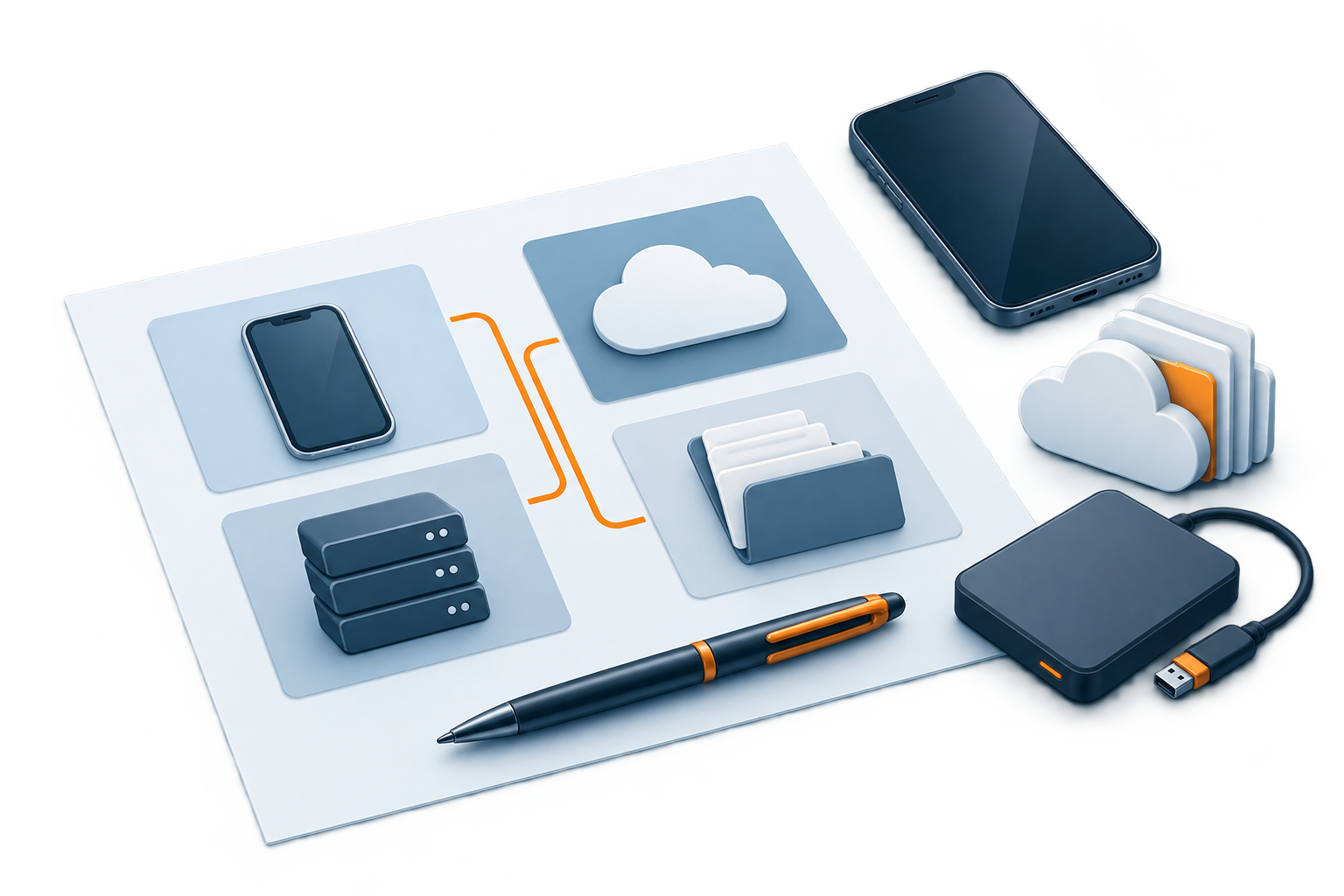
The best source depends on the question. A screenshot, exported file and original device can contain different information. Availability, permissions, encryption and retention affect what an examiner can evaluate.

Questions to scope for each evidence source
Evidence sourceQuestions to scopeRelated service
Computers, servers and drivesWhat file, application or device activity remains available, and how does it fit the relevant dates?Computer and storage examination
Phones and tabletsWhich relevant messages and app records are available through a supported collection?Mobile device examination
Cloud and collaboration accountsWhat do retained files, versions and audit records show within the authorized account scope?Cloud account examination
Email mailboxesWhat correspondence, attachments and metadata can be collected, and what was excluded?Email evidence collection
Documents and PDFsWhat do available properties and document structure show? Metadata needs context; it does not establish authorship by itself.Discuss document evidence

How to interpret these records

A record of access is not necessarily evidence of copying. Account activity is not necessarily human attribution. Timestamps can reflect time zones, clock settings or routine software behavior. Conclusions require corroboration and a clear account of collection gaps.

A defined engagement

How a digital forensics engagement works

  1. Define the questions

    Identify the matter, relevant dates, sources, access authority and intended deliverables. Counsel sets legal scope and any examination protocol.

  2. Plan preservation and collection

    Choose methods appropriate to each source. Document chain of custody, collection exceptions and hash verification where applicable. See data preservation and collection for broader preservation needs.

  3. Examine the available records

    Evaluate relevant artifacts against the agreed questions. Compare sources and alternate explanations. Record limitations instead of treating a missing result as proof of absence.

  4. Review findings in context

    Discuss the technical findings with counsel or the business team. Identify additional sources or questions and agree on any scope changes before further work.

  5. Prepare the agreed deliverables

    Document methods, sources, findings and limitations in the agreed report or supporting materials. Keep technical observations distinct from interpretations and legal conclusions.

  6. Support the next stage

    Where scoped, explain findings through testimony or coordinate the handoff to eDiscovery review. Record the data transferred and any collection or processing exceptions.

Hash comparisons can help verify that collected data has not changed between measured points. They do not establish that a collection contains every relevant source or that the original content is accurate.

From examination to use

Findings your team can evaluate

Technical findings and explanations

The engagement may include a report in plain language, exhibits, a declaration or other agreed materials. Useful reporting identifies what was examined, how the work was performed, what the records support and where the evidence is limited. Expert witness services address the reporting and testimony needs of a legal proceeding.

A coordinated eDiscovery handoff

When a matter also needs document review, eDiscovery assessment and hosted review can support the next stage. Counsel directs relevance, privilege and production decisions. Agree on data formats, metadata, exceptions and the handoff scope rather than assuming that every collected item is ready for production.

Discuss which forensic service fits

Why Forensic Discovery

Keep the questions, evidence and explanations connected

A device image alone does not answer a business or litigation question. Forensic Discovery brings collection, analysis and explanation into the engagement so your team can assess the findings in context. The service should be matched to the source and the intended use of the results.

  • Questions before volume. Define what you need to know before collecting or reviewing data.
  • Methods tied to sources. Document the approach and exceptions that affect interpretation.
  • Findings with limits. Explain uncertainty, alternate explanations and remaining gaps.

Engagement fit

Who we work with

We work with outside counsel, litigation teams, internal legal teams, HR, compliance, IT and business leaders. The team responsible for the matter helps identify the questions, relevant sources and required authority. Counsel should direct work when legal scope, privilege or litigation obligations are involved.

Forensic Discovery works with law firms and businesses. We do not accept direct individual consumer matters. If a law firm represents an individual, the firm may contact us about the matter.

See our offices and service locations for location information, then contact us to discuss collection arrangements and availability.

Plan the work

Scoping and pricing

The number and type of sources, data volume, relevant dates, breadth of questions, access conditions and deadline all affect the work. Reporting and anticipated testimony also affect scope. Tell us what has already been collected and whether other providers are involved.

Ask for the proposed scope, deliverables, assumptions and pricing in writing before authorizing work. If new questions or sources emerge, confirm the change and its cost implications before expanding the examination. The individual service pages provide additional factors to discuss.

Questions before you begin

Frequently asked questions about digital forensics services

What are digital forensics services, and how are they different from eDiscovery?

Digital forensics preserves and examines electronic records to evaluate specific factual questions. eDiscovery supports the identification, organization, review and production of ESI in litigation. The workflows overlap in preservation and collection, and a matter may need both. Forensic examination does not automatically authenticate every record, and document review does not replace analysis of how a device or account was used.

When should a law firm or business hire a digital forensics company?

Consider an examination when a material question depends on electronic records: an employee departure, a workplace complaint, changed payment instructions, disputed documents or an incomplete collection. Early scoping can identify sources that may change or expire. Describe the question and current evidence before choosing a service; the appropriate work depends on authority, availability and the intended use of findings.

What devices and data sources can you examine?

Potential sources include computers, servers, storage drives, phones, tablets, cloud and collaboration accounts, email and documents. The source table and service descriptions above outline the main routes. Support depends on the source: operating systems, device state, permissions, retention and collection methods affect what is accessible. Confirm your particular device, account and requested data with the team before assuming it can be collected or examined.

How do collection methods support reliable evidence and court review?

Collection methods appropriate to the source, documented chain of custody, hash verification where applicable and clear method records can support evaluation of the evidence. An examiner should explain collection exceptions and analytical limits. These practices do not guarantee completeness or admissibility. The court decides admissibility; the judge or jury evaluates evidentiary weight. Counsel should address the requirements of the particular proceeding.

How long does a digital forensics investigation take?

Timing depends on the sources, access conditions, data volume, questions and reporting needs. A narrow examination of available records differs from an engagement involving several custodians, locked devices or missing sources. Share deadlines at the outset so the team can assess the sequence and feasibility of work. Do not assume a completion date before the scope and access requirements are understood.

How much do digital forensics services cost?

Cost follows the work needed to answer the agreed questions. Collection method, source count, data volume, analysis, reporting and testimony can each affect the estimate. Uncertain access or additional sources may require a revised scope. Ask for written scope and pricing, including assumptions and how changes will be authorized, before work begins. No single price fits every investigation.

Can the work be done remotely, or are physical devices needed?

The collection approach depends on the source and examination goals. Some account or computer work may be suitable for remote collection; other matters require physical access or a different arrangement. Phone access in particular depends on the device and requested data. Discuss the source and current device state before changing settings, installing software or shipping equipment; there is no universal handling instruction for every matter.

Do you provide expert witness testimony on your findings?

Our expert witness and testimony service addresses reports, declarations, depositions and trial testimony where appropriate to the engagement. Confirm the proposed examiner, qualifications, opinions, deadlines and required materials with counsel. Testimony explains the analysis and its limits; it does not guarantee acceptance of an opinion or a particular litigation result.

Do you offer data recovery services?

Recovery may be part of a forensic computer examination for a legal or business matter. Deleted or inaccessible information is not always recoverable. Overwriting, encryption, storage behavior, damage and the available source can limit the result. Discuss the evidence question and device condition with the team. We do not offer consumer device repair or promise restoration of lost files.

Do you work with individuals or only law firms and businesses?

Forensic Discovery works with law firms and businesses and does not accept direct individual consumer matters. If a law firm represents an individual, the firm may contact us about the matter. The initial discussion should identify the client, relevant sources, authority and objectives so the team can assess whether the proposed engagement fits the available services.

Talk through the matter

Schedule a Free Consultation

Tell us the question you need answered, the relevant devices or accounts and any deadlines. Forensic Discovery can help identify which digital forensics services may fit. Use the form for a general inquiry, or call (866) 458-4993.

"*" indicates required fields