 (866) 458-4993


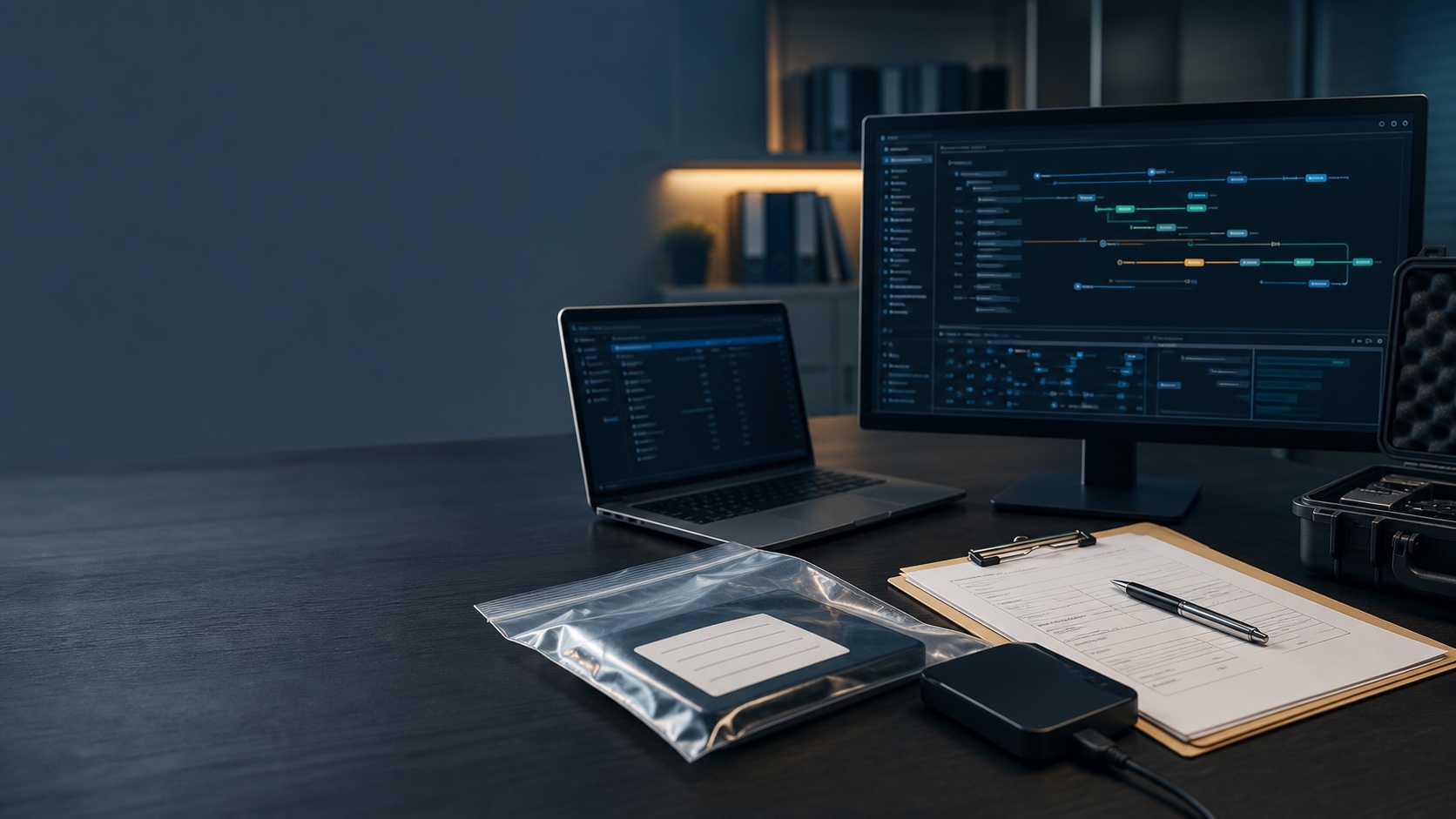
Departing Employee Investigations
When a key employee resigns, joins a competitor, or is terminated, the evidence window can close quickly. Forensic Discovery helps legal, HR, IT, security, and executive teams preserve the right sources, analyze what happened, and document findings clearly.
We investigate suspected file copying, deletion, cloud sync, email forwarding, external media use, account activity, and business data theft while separating supported findings from assumptions and missing evidence.
If you suspect data left with an employee, preserve first.
Do not wipe, reassign, or continue using key devices until preservation is scoped. Well-meaning IT activity can overwrite artifacts that help explain file access, USB use, deleted folders, cloud sync events, forwarding rules, or unusual account behavior.
We can help you decide what to preserve immediately, what can wait, and what should be handled under counsel direction or through authorized internal teams.
Common Departing Employee Investigation Triggers
Client lists and CRM exports
A salesperson or manager leaves after downloading contacts, pipeline reports, pricing, quotes, or customer data.
Source code or technical files
An engineer, developer, designer, or product employee may have copied source code, drawings, formulas, repositories, or build materials.
Personal email or cloud sync
Messages, forwarding rules, browser activity, sync clients, or cloud logs suggest company files may have moved outside approved systems.
USB or external media activity
Device artifacts may show whether removable drives or external storage were connected around key dates.
Deletion or cleanup activity
File-system artifacts, recycle bin records, app histories, or cloud records may help evaluate what changed before or after departure.
Urgent preservation decisions
Legal, HR, IT, or security teams need to know which sources to preserve before retention windows, sync activity, or device reuse affects the record.
What we help determine
Departing employee investigations often start with suspicion. Our role is to examine available evidence, identify indicators and gaps, and explain what the artifacts can and cannot support.
- What files, folders, messages, or records were accessed near departure.
- Whether data appears to have been copied, deleted, transferred, synced, emailed, compressed, or staged.
- Which user, account, device, browser, cloud service, or removable drive is tied to key activity.
- When relevant activity occurred and how it aligns with notice, termination, offboarding, or policy events.
- Which evidence supports a concern, which evidence is inconclusive, and what still needs corroboration.
Evidence Sources We May Review
The right evidence set depends on the employee’s role, the data at risk, available authorization, and retention windows. A scoped investigation may include the following sources.
Why Forensic Discovery

Certified forensic examiners
Our examiners use documented forensic methods and bring digital forensic certification and expert-support experience to employee departure matters.

Evidence-first analysis
We focus on artifacts, timelines, source reliability, missing evidence, and alternate explanations instead of turning suspicion into a premature conclusion.

Device, email, cloud, and eDiscovery
Departures rarely involve one system. We can connect local device artifacts, mailbox data, cloud logs, chat exports, and reviewable document sets.

Defensible preservation
We document sources, custody events, collection steps, and hash values where appropriate so the work can be reviewed later.

Clear reporting
We turn technical artifacts into timelines, findings, exhibits, and plain-language explanations for business, HR, legal, and security decision makers.

Counsel-aware support
Forensic Discovery provides digital forensic services and can work under counsel direction when legal advice, privilege strategy, or litigation posture matters.
Related Services and Resources
Not every departing employee matter needs the same forensic work. These related service pages can help you understand the right path before evidence changes.
Data Preservation and Collection
Start here when devices, email, cloud accounts, logs, or shared drives need to be preserved before reuse or retention changes.
Review Preservation ServicesBusiness Data Theft Investigations
Relevant when client lists, pricing, CRM exports, engineering files, source code, or large archives may have left the business.
Learn About Data Theft InvestigationsEmployee Misconduct Investigation
Useful when file movement is part of a broader workplace, HR, unauthorized access, document, or communications investigation.
Compare Employee Investigation ServicesIntellectual Property Theft
Best for trade secrets, proprietary workflows, product designs, source code, formulas, client lists, or confidential business materials.
Review IP Theft ServicesForensic Analysis and Findings Reporting
For matters where raw evidence needs to become a timeline, findings report, exhibit set, or expert-ready analysis.
Understand Findings ReportsCloud, Email, Computer, and Mobile Forensics
Use these service areas when the evidence lives in specific devices, accounts, mailboxes, collaboration platforms, or mobile apps.
Explore Digital Forensics ServicesOur Process
Scope
Identify the concern, key dates, custodians, systems, authorization, and urgency.
Preserve
Prioritize sources before devices are wiped, reassigned, synced, overwritten, or logs expire.
Collect
Collect or guide collection using defensible methods appropriate for each source.
Analyze
Review file activity, account activity, transfers, deletion indicators, sync records, USB history, and email artifacts.
Report
Explain what the evidence indicates, what remains limited, and what next sources may matter.
Questions We Hear First
Can you prove an employee stole data?
Digital evidence can support or contradict a concern, but no responsible examiner should promise a result before analysis. We help determine what the available artifacts show, what they do not show, and what else should be preserved or reviewed.
How fast should we act?
Quickly. Logs rotate, devices get reused, sync records change, and routine IT work can overwrite useful artifacts. If you have a concern, preserve first and investigate in a scoped, defensible way.
Do you work with attorneys?
Yes. Forensic Discovery can work with outside counsel, in-house counsel, HR, IT, security, and leadership. We provide forensic services and can work under counsel direction when legal advice or privilege strategy is needed.
What will we receive?
Depending on scope, deliverables may include preservation documentation, source summaries, timelines, findings reports, exhibits, and expert support. We keep technical detail available while making findings understandable for decision makers.
What if the evidence is incomplete?
Incomplete evidence is common. We identify gaps, retention limits, source reliability issues, and additional records that may help corroborate or challenge a finding.
Talk with a forensic expert before key evidence changes.
If an employee has left and you are worried about copied, deleted, synced, or emailed business data, the next step is preservation. Share the timing, systems, and suspected data sources so we can help scope a defensible first step.
Forensic Discovery provides digital forensic services. We work with your counsel when legal advice, privilege strategy, or litigation posture matters.
"*" indicates required fields