 (866) 458-4993


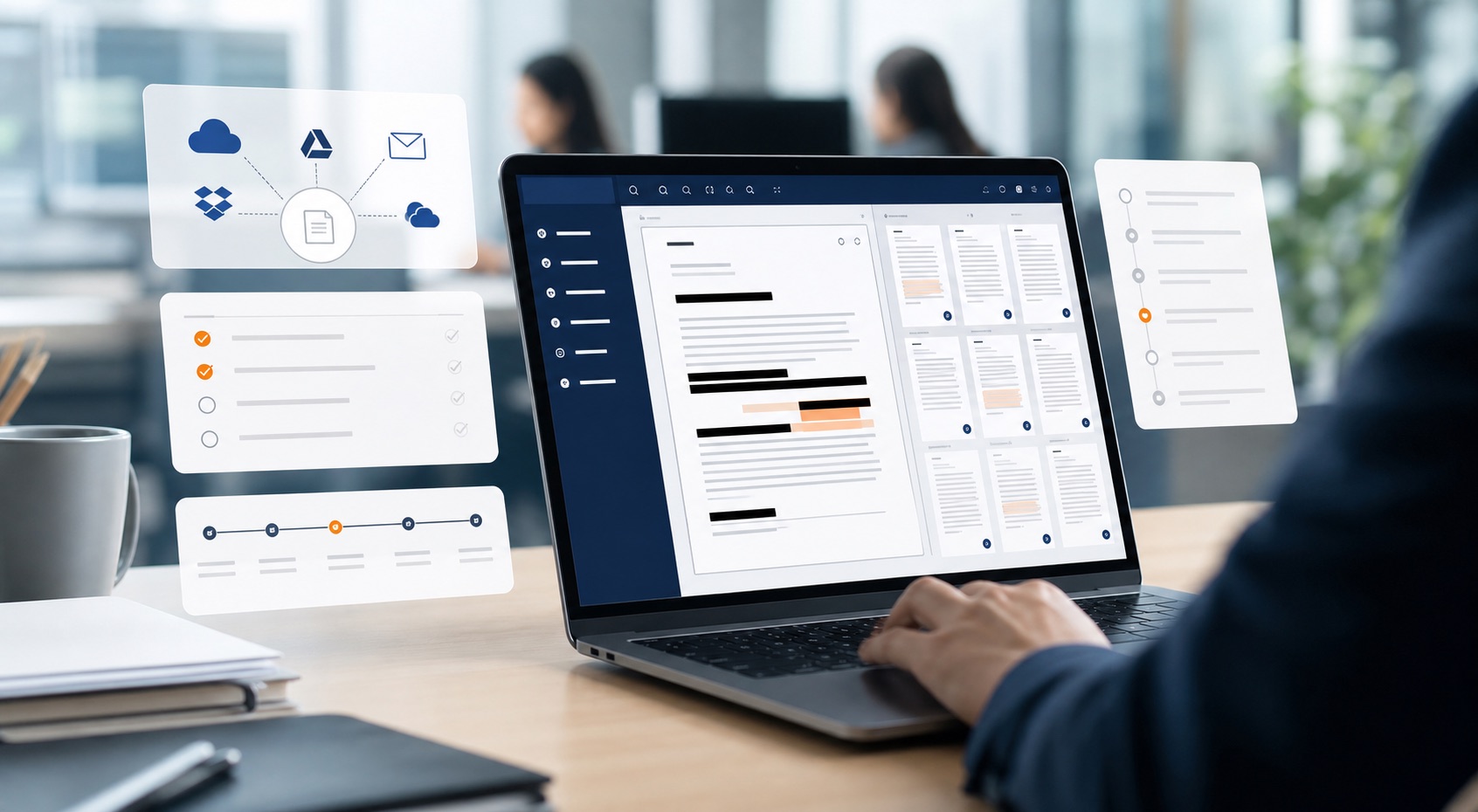
DSAR Response Services
When a privacy request becomes a discovery problem, Forensic Discovery helps legal, privacy, HR, and IT teams identify, collect, process, review, redact, and package responsive data under counsel direction.
We provide digital forensics and eDiscovery support for complex Data Subject Access Requests. Legal decisions about scope, deadlines, exemptions, privilege, identity verification, and final response language should be made by your privacy counsel.
DSAR deadlines put pressure on data collection.
A DSAR or subject access request is not just a privacy intake issue. Once a request is validated and scoped, teams may need to search, collect, review, redact, and produce information under a short timeline.
Depending on the jurisdiction and request type, response windows may be measured in weeks rather than months. Counsel should confirm the applicable law, requester status, request type, and response clock before collection and review decisions are finalized.
DSAR Problems We Are Built For
Urgent requests
A request has arrived and the team needs to identify sources, preserve available data, collect from key systems, and create a review path quickly.
Employee DSARs
Former-employee or employee requests may involve HR records, email, chat, manager files, device data, investigation records, and legal-review workspaces.
Scattered data
The requester may appear in customer support, CRM, email, billing, logs, file shares, mobile messages, project tools, and third-party systems.
High-volume review
Broad exports can create large review sets that need processing, deduplication, search, organization, hosting, and production control.
Redaction-heavy responses
Some requests involve third-party personal data, privileged communications, trade secrets, security records, or mixed records.
Readiness gaps
Some teams do not have a request yet, but know they would struggle to map sources, export data, and document a repeatable response process.
How Forensic Discovery Can Help
Forensic Discovery supports the technical work that often sits between privacy counsel’s legal decisions and the organization’s scattered data sources.
- Map likely data systems, custodians, time ranges, data categories, and export paths.
- Collect or guide collection from email, cloud platforms, file shares, workstations, mobile devices, collaboration tools, and review systems where access is authorized.
- Process, deduplicate, index, filter, and organize data so counsel and reviewers are not working from raw exports alone.
- Support hosted review workflows, coding fields, issue tags, privilege and sensitivity flags, and production-ready organization.
- Support counsel-approved redaction workflows and quality checks for third-party information, privileged material, confidential business records, credentials, and security-sensitive content.
- Prepare source maps, collection logs, search summaries, production manifests, redaction logs, and technical process notes.
Where DSAR Data Often Lives
Many DSAR projects look like a compressed eDiscovery matter. The right source list depends on the request, the jurisdiction, the requester relationship, and the systems the organization uses.
Why Forensic Discovery

Forensics plus eDiscovery
DSAR response often requires collection discipline and review workflow. We bring digital forensics, eDiscovery processing, hosted review, redaction, and reporting into one service path.

Counsel-aware support
We can work under counsel direction when legal advice, privilege strategy, employment issues, litigation posture, or regulator-facing risk matters.

Documented process
We document collection sources, search paths, review organization, production contents, and limitations so the response process can be explained later.

Practical source experience
DSAR data can live in email, cloud drives, chat tools, HR systems, CRM platforms, file shares, devices, logs, and hosted review sets.

Review-ready organization
We help transform disconnected exports into searchable, reviewable, documented materials for counsel-approved response work.

Right-sized help
We are not selling a generic DSAR portal. We help when the request is complex, disputed, employee-related, technically messy, deadline-driven, or too risky for ad hoc exports.
Related Services
DSAR response can involve preservation, collection, review, redaction, and production. These related Forensic Discovery services help explain the technical pieces.
eDiscovery Assessment and Hosted Review
Useful when a DSAR creates a review set that needs search, tagging, redaction, production, and review workspace support.
Review Hosted Review ServicesData Preservation and Collection
Start here when key sources need to be preserved before routine changes affect availability.
Understand Preservation OptionsForensically Sound Email Collection
Use this when email, forwarding, attachments, mailbox exports, and message metadata are central to the request.
Review Email CollectionCloud-Based Forensics
Relevant for Microsoft 365, Google Workspace, OneDrive, Google Drive, Slack, Teams, Dropbox, Box, and other cloud systems.
Explore Cloud ForensicsEmployee Misconduct Investigation
Useful when a DSAR overlaps with a workplace investigation, grievance, termination, or disputed employee conduct issue.
Compare Employee MattersForensic Analysis and Findings Reporting
Helpful when counsel or leadership needs a documented technical summary of collection, search, review, limitations, and findings.
Understand Findings ReportsOur DSAR Response Workflow
Intake
Confirm request type, deadline assumptions, counsel owner, identity-verification status, sensitivity, and likely systems.
Map
Identify systems, custodians, time ranges, data categories, export paths, retention risks, and processor dependencies.
Collect
Prioritize sources before accounts change, logs rotate, exports expire, or routine cleanup alters the available record.
Process
Collect or guide export from approved sources, then process, index, deduplicate, filter, and organize the data for review.
Review
Support counsel-approved workflows for responsiveness, third-party data, privilege, confidentiality, and records outside scope.
Package
Prepare production files, manifests, collection notes, search summaries, redaction logs, and technical process documentation.
Improve
Document what was difficult and what system, policy, or workflow improvements could reduce burden next time.
Close
Support closeout instructions for retained materials, access controls, documentation, and follow-up technical questions.
DSAR Response Questions
What is a DSAR?
A Data Subject Access Request is a request by an individual to access personal data an organization processes about them. Depending on the law and request type, the organization may need to confirm processing, provide a copy of personal data, and provide related information about the processing. Counsel should confirm the applicable jurisdiction and response requirements.
Does Forensic Discovery provide legal advice about DSARs?
No. Forensic Discovery provides digital forensics and eDiscovery support. Privacy counsel should direct legal decisions about jurisdiction, identity verification, deadline, scope, exemptions, privilege, disclosure, refusal, and final response language.
Can you help with employee DSARs?
Yes. Employee and former-employee DSARs can be technically complex because responsive material may live in HR systems, email, chat, manager files, device data, investigation records, and legal-review workspaces. We support source mapping, collection, processing, review organization, redaction workflows, and documentation under counsel direction.
Which systems can you collect from?
The right systems depend on the request and authorization. Common sources include Microsoft 365, Exchange, Teams, OneDrive, SharePoint, Google Workspace, Gmail, Drive, Slack, ticketing systems, CRM, HRIS, file shares, laptops, mobile devices, logs, and hosted review platforms.
Can you reduce the risk of overproduction?
We can help reduce operational risk by organizing data, supporting search protocols, enabling structured review, maintaining redaction workflows, and documenting what was searched and produced. Counsel decides what is responsive, privileged, exempt, confidential, or appropriate to disclose.
Can you guarantee that a DSAR response is compliant?
No. Compliance depends on the applicable law, facts, scope, requester status, response language, exemptions, and counsel decisions. We help with defensible technical execution and documentation.
Have a DSAR that needs technical response support?
If a privacy request now requires collection, search, review, redaction, or production across business systems, start with a focused scoping call. We can help identify likely data sources, preservation risks, technical next steps, and what counsel should decide before collection and review move forward.
Forensic Discovery provides digital forensics and eDiscovery services. We work with your counsel when legal advice, privilege strategy, employment issues, or litigation posture matters.
"*" indicates required fields